Introduction: Why Preventative Maintenance Is the Key to Avoiding Expensive Home Repairs
Homeownership involves much more than keeping a property visually appealing. Every home depends on a network of interconnected systems that work together to provide comfort, safety, efficiency, and structural stability. Heating and cooling equipment regulate indoor temperatures, plumbing systems deliver clean water and remove waste, exterior materials protect against weather exposure, and landscaping influences drainage and foundation health. When even one of these systems begins to fail, the effects can spread quickly throughout the property.
One of the biggest mistakes homeowners make is waiting until something breaks before taking action. Small problems often appear harmless at first, but they rarely remain small for long. A loose shingle can eventually allow water intrusion. An aging HVAC unit may begin operating inefficiently months before it fails entirely. Poor drainage around landscaping can slowly weaken foundations and exterior surfaces. Delayed maintenance almost always leads to higher repair costs and more extensive damage.
Preventative maintenance offers a more effective and affordable approach. By inspecting systems regularly and addressing wear early, homeowners can reduce emergency repairs, improve energy efficiency, and extend the lifespan of major equipment and structural components. Strategic upgrades also provide long-term financial benefits by lowering utility costs, improving functionality, and increasing property value.
Modern homeowners must also consider changing environmental conditions and increased system demands. Seasonal temperature fluctuations, severe storms, and aging infrastructure all place additional stress on homes. Proactive planning helps properties remain reliable and efficient despite these challenges.
Another important aspect of long-term property care is coordination. Home systems do not operate independently. Roofing and siding affect moisture control, landscaping influences drainage patterns, and heating and cooling efficiency depends on insulation and airflow. A complete maintenance strategy evaluates how these systems interact and prioritizes improvements that support the home as a whole.
This guide explores practical ways homeowners can prevent costly repairs through strategic maintenance and thoughtful upgrades. By taking a proactive approach to system care, homeowners can create safer, more comfortable, and more efficient living environments while protecting the long-term value of their property.
Improve Indoor Comfort and Reduce Energy Costs Through Routine System Care
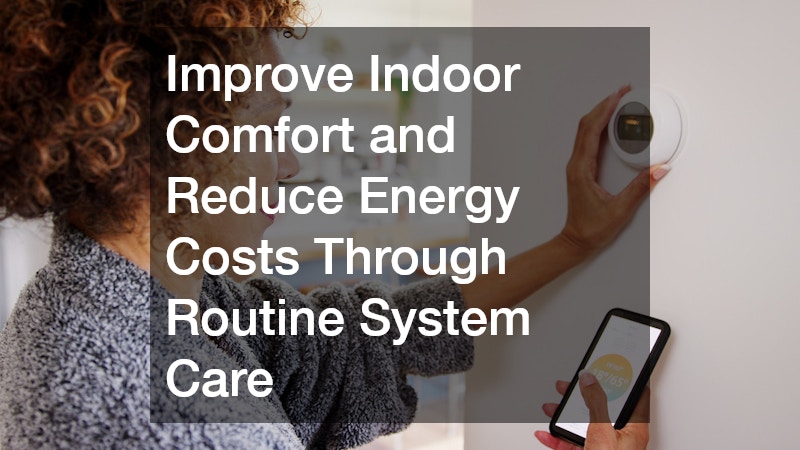
Heating and cooling systems are among the most heavily used systems in any home. During periods of extreme heat or cold, HVAC equipment often operates continuously to maintain indoor comfort. Without regular maintenance, even high-quality systems gradually lose efficiency and become more vulnerable to breakdowns.
Routine HVAC services help homeowners identify developing issues before they become expensive repairs. Professional inspections evaluate airflow, refrigerant levels, electrical components, filters, thermostats, and overall system performance.
Many homeowners do not realize how much efficiency declines when maintenance is delayed. Dust buildup, clogged filters, blocked airflow, and worn components force systems to work harder, increasing utility costs and accelerating wear.
Common signs that ac repairs may be needed include:
- Weak airflow from vents
- Warm air coming from cooling systems
- Uneven temperatures between rooms
- Increased indoor humidity
- Strange noises during operation
- Sudden increases in energy bills
Preventative maintenance tasks that improve efficiency include:
- Replacing air filters every one to three months
- Cleaning outdoor condenser units
- Inspecting refrigerant levels and pressure
- Clearing debris from vents and return ducts
- Testing thermostat accuracy and programming
Homeowners can also improve cooling efficiency through supportive home improvements. Proper insulation, weather sealing, and ventilation reduce strain on HVAC systems and improve indoor comfort.
Additional strategies for reducing cooling costs include:
- Using ceiling fans to improve air circulation
- Installing blackout curtains during hot weather
- Sealing gaps around windows and doors
- Scheduling professional tune-ups before peak summer temperatures
Routine maintenance extends equipment lifespan while minimizing the likelihood of costly emergency breakdowns during periods of high demand.
Upgrade Aging Heating Systems Before Failures Occur
Heating systems become less efficient as they age. Over time, internal components wear down, airflow declines, and fuel efficiency decreases. Many homeowners continue investing in repeated repairs long after replacement would provide better long-term value.
A professional furnace installation service helps homeowners evaluate whether upgrading to modern equipment is the most practical solution. Newer systems are designed to provide better temperature consistency while using significantly less energy.
Warning signs that replacement may be more cost-effective than repairs include:
- Frequent breakdowns during winter
- Uneven heating throughout the home
- Rising energy bills despite regular maintenance
- Excessive system noise during operation
- Difficulty maintaining comfortable temperatures
Modern furnace installation projects often include energy-efficient technologies that improve both comfort and operating costs.
Benefits of newer systems include:
- Improved airflow and heat distribution
- Better fuel efficiency ratings
- Reduced monthly utility expenses
- More consistent indoor temperatures
- Compatibility with smart thermostats and zoning systems
Proper sizing is essential during installation. Oversized systems cycle too frequently, while undersized systems struggle to maintain temperatures during colder weather.
Additional considerations during heating upgrades include:
- Existing ductwork condition
- Insulation quality throughout the home
- Ventilation system performance
- Future household heating demands
Preventative upgrades reduce the risk of unexpected winter failures while improving long-term system reliability and comfort.
Prevent Major Climate Control Problems Through Strategic Equipment Planning
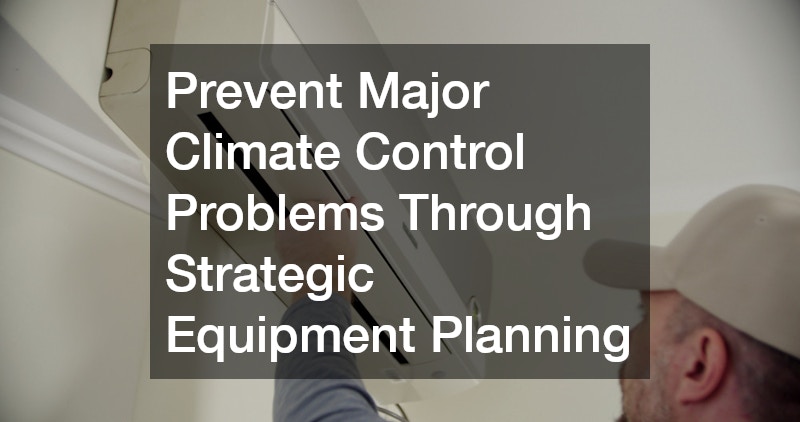
Eventually, all HVAC systems reach the end of their operational lifespan. Delaying replacement too long often results in rising repair costs, declining efficiency, and inconsistent comfort throughout the home.
Strategic hvac replacements allow homeowners to improve performance before complete system failure occurs. Planning replacements proactively gives homeowners more control over budgeting, scheduling, and equipment selection.
Signs that systems may be approaching replacement age include:
- Systems older than 15–20 years
- Frequent repair needs
- Increasing utility costs
- Reduced indoor air quality
- Inconsistent temperature control
Modern systems offer significant efficiency improvements compared to older equipment. Many newer units use advanced variable-speed technology, smart climate controls, and improved airflow management systems.
When planning upgrades, homeowners should consider:
- Home size and layout
- Existing insulation quality
- Future energy efficiency goals
- Compatibility with current ductwork
Smart thermostats also improve efficiency by allowing more precise temperature control and automated scheduling.
Additional benefits of planned system upgrades include:
- Improved indoor humidity control
- Quieter operation
- Reduced environmental impact
- Lower long-term maintenance costs
Waiting until complete failure occurs often limits equipment options and increases emergency installation costs. Strategic planning provides better long-term results while minimizing disruption.
Protect Plumbing Systems Before Leaks Cause Structural Damage
Plumbing systems support daily activities such as cooking, bathing, cleaning, and waste removal. Because many plumbing components are hidden behind walls or beneath floors, small leaks often go unnoticed until significant damage has already occurred.
Working with a professional plumbing company allows homeowners to detect problems early through routine inspections and preventative maintenance.
Common plumbing issues include:
- Leaking pipes or fixtures
- Low water pressure
- Slow drainage
- Corrosion in aging pipes
- Hidden moisture behind walls
Even minor leaks can create major problems over time. Water intrusion contributes to mold growth, wood rot, insulation damage, and structural deterioration.
Important preventative maintenance practices include:
- Inspecting visible pipes regularly
- Checking appliance hoses and shutoff valves
- Monitoring water bills for unusual increases
- Addressing leaks immediately
Drainage performance is another important consideration. Slow drains may indicate buildup or developing sewer issues that require professional attention.
Additional ways to protect plumbing systems include:
- Avoiding harsh chemical drain cleaners
- Installing drain covers to catch debris
- Insulating pipes in colder climates
- Scheduling periodic inspections for older homes
Preventative plumbing care reduces long-term repair costs while protecting structural integrity and indoor air quality.
Reduce Exterior Damage and Improve Long-Term Structural Protection
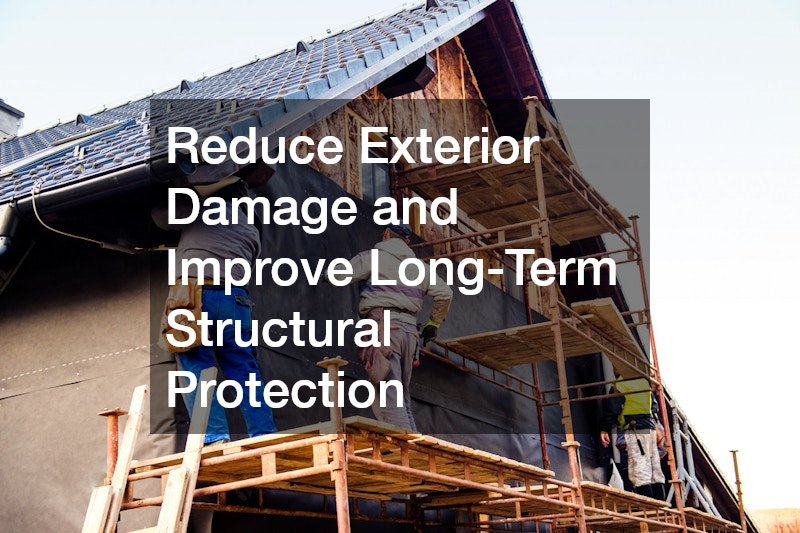
Exterior systems are the home’s first line of defense against weather exposure. Roofing and siding work together to protect structural framing, insulation, and interior spaces from moisture intrusion and environmental wear.
A roofing contractor can identify developing issues before they lead to leaks or structural deterioration. Roofs endure constant exposure to sunlight, rain, snow, wind, and temperature changes, all of which gradually weaken materials.
Common warning signs of roofing problems include:
- Missing or damaged shingles
- Water stains on ceilings or attic surfaces
- Sagging roof sections
- Mold or algae growth
- Excessive granule buildup in gutters
Preventative roof maintenance includes:
- Annual professional inspections
- Clearing debris from roof valleys and gutters
- Inspecting flashing around vents and chimneys
- Addressing leaks immediately
A siding contractor also plays an important role in protecting the home from moisture and air infiltration. Damaged siding allows water intrusion, reduces insulation performance, and accelerates structural wear.
Signs siding may need repair or replacement include:
- Warping or cracking panels
- Fading or peeling finishes
- Moisture stains near seams or joints
- Increased heating and cooling costs
Additional strategies for exterior protection include:
- Maintaining proper drainage around the foundation
- Trimming vegetation away from exterior walls
- Sealing gaps around windows and doors
- Inspecting exterior materials after storms
Well-maintained exterior systems improve energy efficiency while protecting long-term structural stability.
Prevent Landscaping Problems from Damaging the Home
Landscaping contributes significantly to curb appeal and outdoor comfort, but neglected trees and vegetation can create serious structural risks. Overgrown branches, invasive roots, and poor drainage patterns often damage roofs, siding, foundations, and underground utilities.
Professional tree trimming services help homeowners maintain healthier trees while reducing safety hazards and property damage risks.
Common landscaping-related problems include:
- Branches scraping roofing or siding
- Falling limbs during storms
- Root systems damaging foundations or pipes
- Excessive shade contributing to moisture buildup
Routine trimming improves tree health by removing weak, damaged, or diseased branches before they become dangerous.
Benefits of regular tree maintenance include:
- Reduced storm damage risk
- Improved airflow around the property
- Better sunlight exposure for landscaping
- Prevention of roof and gutter damage
Tree placement also affects drainage patterns. Poorly managed landscaping may direct water toward the foundation, increasing erosion and moisture intrusion risks.
Additional preventative landscaping strategies include:
- Monitoring root growth near underground utilities
- Removing dead or diseased trees promptly
- Maintaining proper grading around the home
- Keeping gutters clear of falling debris
Strategic landscaping maintenance improves both property safety and long-term structural protection.
Create Durable and Functional Outdoor Living Spaces
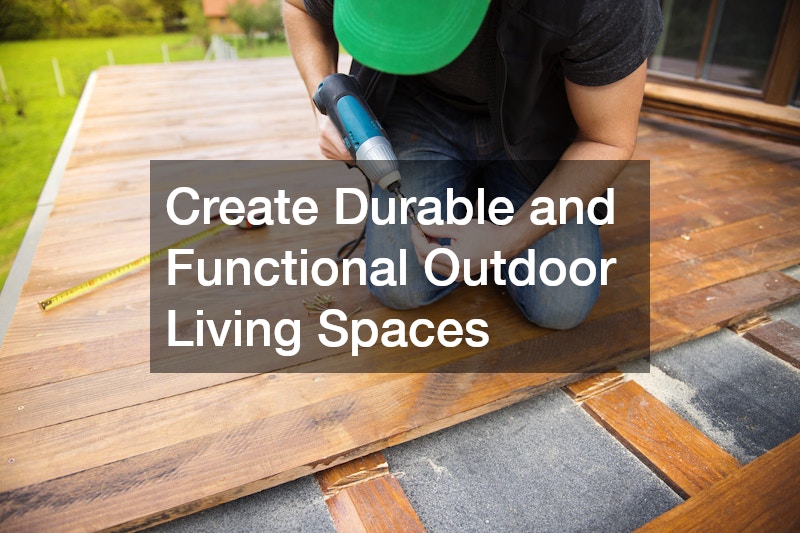
Outdoor living areas have become increasingly valuable for homeowners seeking additional usable space for relaxation and entertainment. Thoughtful hardscaping projects improve functionality while supporting drainage control and property aesthetics.
Hardscaping includes non-living landscape elements such as:
- Patios and walkways
- Retaining walls
- Fire pits and seating areas
- Decorative stone features
- Outdoor kitchens and gathering spaces
One of the most important aspects of hardscape planning is drainage management. Improper grading or poorly designed surfaces can lead to standing water, erosion, and foundation problems.
Important planning considerations include:
- Water flow direction during heavy rainfall
- Material durability for local climate conditions
- Slip resistance and surface safety
- Long-term maintenance requirements
Popular hardscape materials include:
- Natural stone
- Concrete pavers
- Brick
- Decorative gravel
Maintenance practices help preserve outdoor structures and reduce deterioration over time.
Recommended maintenance strategies include:
- Cleaning surfaces regularly
- Sealing pavers or stone periodically
- Inspecting joints for shifting or cracking
- Addressing drainage problems immediately
Well-designed outdoor spaces improve curb appeal, support better water management, and increase long-term property value.
Create a Seasonal Home Maintenance Schedule That Prevents Expensive Repairs
A structured maintenance schedule helps homeowners stay proactive instead of reacting to emergencies after damage has already occurred. Seasonal planning ensures systems receive attention before periods of heavy use or severe weather.
Spring maintenance priorities often include:
- Inspecting roofing and siding after winter weather
- Servicing cooling systems before summer
- Cleaning gutters and drainage systems
- Checking exterior caulking and seals
Summer maintenance may involve:
- Monitoring cooling efficiency
- Managing landscaping growth
- Inspecting outdoor surfaces and drainage pathways
- Cleaning ventilation systems
Fall preparation should focus on:
- Heating system inspections
- Sealing air leaks around windows and doors
- Clearing leaves from gutters and drains
- Preparing plumbing systems for colder temperatures
Winter maintenance typically includes:
- Preventing frozen pipes
- Monitoring indoor humidity levels
- Checking heating system performance
- Testing sump pumps during snowmelt periods
Tracking service history and inspection records also helps homeowners identify recurring issues and plan future upgrades more effectively.
Conclusion: Building a Safer, More Efficient, and More Valuable Home
Protecting a home from costly repairs requires consistency, planning, and a proactive approach to maintenance. Every system within a home—heating, cooling, plumbing, roofing, landscaping, and drainage—plays a role in overall comfort, efficiency, and structural stability. When one area is neglected, the effects often spread quickly and create larger financial and structural problems over time.
One of the most important lessons homeowners can apply is the value of prevention. Small issues such as minor leaks, aging HVAC components, deteriorating siding, or poor drainage patterns may seem manageable initially, but they rarely improve without intervention. Addressing these concerns early helps reduce emergency repairs, improve system performance, and extend the lifespan of important structural components.
Strategic upgrades also provide long-term benefits beyond simple appearance improvements. Modern heating and cooling systems reduce energy costs, exterior upgrades strengthen weather resistance, and outdoor improvements improve both functionality and drainage management. Coordinated maintenance and improvement strategies create homes that are easier to maintain, safer to occupy, and more appealing to future buyers.
Financial preparation is equally important. Budgeting for preventative maintenance and phased upgrades allows homeowners to avoid sudden financial strain while making smarter long-term investment decisions. Organized service records, seasonal maintenance schedules, and regular inspections also support better planning and reduce uncertainty.
Ultimately, a well-maintained home provides more than comfort—it offers reliability, efficiency, and lasting value. By investing in strategic maintenance and proactive upgrades, homeowners can protect their property while creating a safer and more dependable living environment for years to come.