Creating a home that is both welcoming and secure is a primary goal for any household. A truly safe living environment involves more than simply locking the front door at night. It requires an active approach to maintaining the physical structure, managing utility systems, mitigating natural hazards, and keeping outdoor environments free from harm. By understanding potential risks and addressing them systematically, you can protect your loved ones from preventable accidents and unexpected emergencies.
Safety in the home encompasses both indoor and outdoor spaces. Inside, hidden issues like slow plumbing leaks or poor air quality can slowly compromise health and structural integrity. Outside, neglected structures and overgrown vegetation pose immediate risks to children and pets at play. Addressing these varied concerns requires broad knowledge, regular maintenance routines, and knowing when to call qualified external specialists to assist with major household upkeep.
Protecting Outdoor Recreation and Living Spaces
Outdoor areas provide space for exercise, relaxation, and play, but they also host unique hazards that require diligent management. From pool safety to proper boundary enclosures, maintaining outdoor spaces reduces the risk of serious injuries and costly property damage.
Securing Water Facilities
Swimming pools are a fantastic addition to any residence, providing endless summer entertainment and exercise opportunities. However, water safety requires continuous vigilance to prevent tragic accidents. Installing physical barriers around pool areas is essential for keeping young children and pets from entering the water unsupervised. Automatic pool covers, self-closing gates, and alarms add extra layers of protection that give households peace of mind throughout the season.
Proper water chemistry is equally critical for preventing health hazards such as skin irritation, eye infections, and waterborne illnesses. Maintaining appropriate chemical levels ensures that sanitizers work effectively while preserving pool equipment. High levels of total dissolved solids can reduce the effectiveness of chlorine and cause cloudy water or scaling on pool surfaces. If you notice persistent water clarity issues or mineral buildup around your pool, consulting expert pool contractors can ensure your system functions efficiently and safely. Over time, evaporation and routine chemical additions cause dissolved minerals to accumulate in pool water. When chemical treatments no longer balance the water, lowering TDS in pools through partial or complete water replacement remains the most effective solution to restore proper water hygiene.
Maintaining Sturdy Boundaries
A well-maintained property boundary keeps loved ones safely inside while keeping stray animals and unauthorized visitors out. Fences act as primary barriers, but aging wood, loose panels, or rusted metal can create unexpected safety hazards. Sharp splinters, protruding nails, or unstable posts can easily injure playing children. Regularly inspecting perimeter structures ensures that minor wear and tear is corrected before it becomes a dangerous structural failure.
When installing a new boundary or replacing an old enclosure, choosing durable materials suited to your local climate is vital. Professional fence companies can offer advice on the best materials and heights to meet your specific security needs. Proper post setting and anchoring are critical to withstand strong winds and prevent collapses. Scheduling a professional fence installation ensures that boundaries are built according to local safety codes and structural standards, keeping your yard secure for years to come.
Managing Outdoor Lighting and Walking Paths
Pathways, decks, and patios present tripping hazards if poorly illuminated or poorly maintained. Cracked pavers, loose deck boards, and hidden drop-offs become particularly dangerous after dusk. Installing low-voltage landscape lighting along walkways and near steps ensures clear visibility for residents and guests alike. Motion-activated floodlights around garage doors and rear entryways serve a dual purpose: illuminating dark areas during late arrivals and deterring potential intruders from approaching unnoticed. Regularly clearing fallen leaves, algae, and snow from walking surfaces further minimizes slipping risks throughout the year.
Mitigating Environmental Hazards and Tree Risks
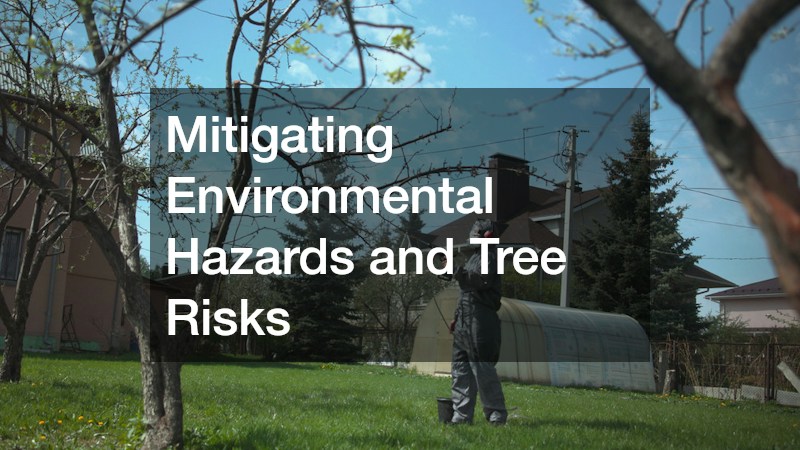
Trees and heavy landscaping enhance property beauty and provide shade, but neglected growth can quickly transform into a hazard during severe weather. Identifying structural instability in trees helps protect your roof, power lines, and family members.
Addressing Overgrown and Compromised Vegetation
Large trees with dead branches, hollow trunks, or leaning angles pose a constant danger to home structures and people below. High winds, heavy snow, or torrential rain can dislodge compromised limbs, leading to structural damage or personal injury. Conducting visual checks on mature trees after significant weather events allows you to catch warning signs, such as cracked soil at the base or shedding bark, before a limb or tree falls.
Pruning large or dangerous limbs requires specialized equipment and training to execute safely. Relying on local tree removal companies ensures that hazardous branches are cut down safely without jeopardizing nearby power lines or structures. When extreme weather strikes unexpectedly and leaves hanging limbs or unstable trunks near your living space, calling an emergency tree service provides rapid response to prevent imminent structural collapse and restore safety to your yard.
Protecting Root Zones and Preventing Soil Erosion
Tree roots extend far beyond the canopy line, often interacting with driveways, underground utility lines, and home foundations. Expansive root systems can lift concrete walkways, creating hazardous uneven surfaces. In severe cases, roots draw significant moisture from clay soil beneath foundations, leading to uneven settling and wall cracking. Adding protective mulch rings around tree bases prevents soil compaction and keeps lawn equipment from damaging trunk bark. Monitoring nearby soil for severe erosion ensures that tree roots remain adequately buried and structurally stable.
Maintaining Vital Indoor Plumbing and Utilities

Indoor comfort and safety rely heavily on well-functioning plumbing and heating systems. Unnoticed leaks, failing pressure relief valves, and structural pipe deterioration can lead to severe structural damage or sanitation hazards.
Preventing Water Heater Failures
Water heating systems operate continuously under high pressure and temperature. Over time, sediment builds up at the bottom of the tank, reducing heating efficiency and causing localized overheating. This buildup can corrode the inner tank lining, leading to sudden leaks or burst pipes that flood surrounding living areas. Regularly flushing the tank clears sediment and extends the operating life of the unit.
Testing the temperature and pressure relief valve is another vital step in utility maintenance. A faulty relief valve can allow pressure to build up to dangerous levels inside the tank. If you observe water pooling around the base of the tank or experience erratic water temperatures, arranging for prompt water heater repair prevents catastrophic tank failure and restores reliable hot water to your household.
Protecting Structural Plumbing Integrity
Pipes running behind walls and under floors carry clean water in and waste water out. Even minor leaks in supply or drainage lines can erode structural materials, rot wooden supports, and create ideal conditions for harmful environmental hazards. Monitoring water pressure helps protect pipes from excessive stress, while avoiding harsh chemicals helps preserve internal pipe linings.
When minor plumbing issues like slow drains, rattling pipes, or unexplained drops in water pressure arise, ignoring them often leads to larger emergencies down the road. Working with a reliable local plumber ensures that minor pipe issues are diagnosed and fixed correctly, preserving the structural integrity of your property and preventing costly water damage.
Electrical Systems and Fire Prevention
Modern homes power an ever-growing array of electrical devices, putting elevated demands on wiring systems. Overloaded outlets, frayed power cords, and outdated electrical panels are leading causes of residential fires. Inspecting outlets for discoloration, warm faceplates, or buzzing sounds can alert you to loose wiring before sparks occur. Installing ground fault circuit interrupter outlets in moisture-prone rooms like kitchens, bathrooms, and garages protects against electrical shocks. Replacing disposable batteries in smoke detectors and carbon monoxide detectors twice each year ensures these life-saving early warning systems remain fully operational.
Eliminating Hidden Indoor Environmental Threats
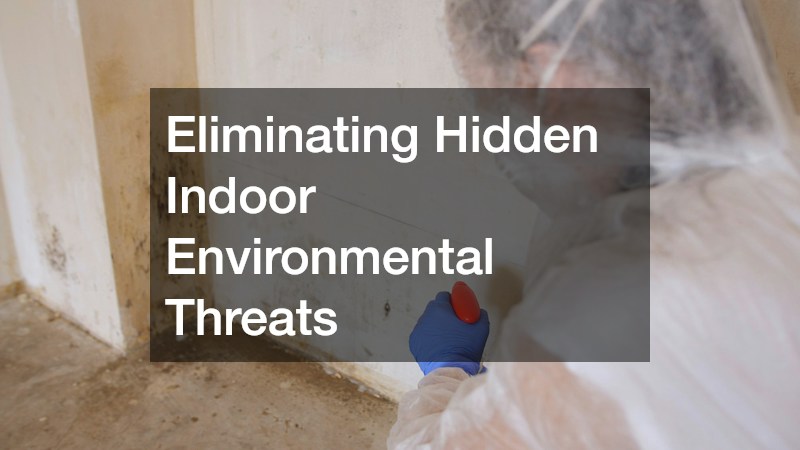
Indoor air quality significantly influences overall family wellness. Invisible threats, such as airborne spores and micro-toxins, can develop rapidly in damp or unventilated spaces, posing long-term health risks if left unaddressed.
Detecting Hidden Moisture and Microbial Growth
Mold thrives in warm, humid environments created by roof leaks, plumbing drips, or inadequate ventilation in bathrooms and basements. Exposure to elevated spore levels can trigger respiratory issues, allergies, and asthma attacks, particularly in young children and the elderly. Because spores often grow behind drywall, under carpeting, or inside HVAC ducts, visual inspections alone are rarely sufficient to catch hidden colonies.
Professional air testing and moisture mapping provide a clear picture of indoor environmental health. Hiring a certified mold inspector allows you to identify hidden moisture pockets and measure spore counts in the air. Once moisture sources are sealed, calling specialists in local mold removal ensures that contaminated materials are safely contained, treated, and remediated without spreading spores to unaffected parts of your living area.
Optimizing Ventilation and Humidity Control
Controlling relative indoor humidity between thirty and fifty percent is essential for discouraging biological growth and preserving interior building materials. Bathrooms and kitchens should always utilize exhaust fans vented directly outdoors to clear steam and cooking vapors. Whole-home dehumidifiers installed alongside primary heating and cooling units offer reliable moisture control throughout hot, humid seasons. Cleaning air ducts periodically and replacing furnace air filters every three months keeps dust, pet dander, and pollen from circulating continuously through occupied rooms.
Establishing Comprehensive Emergency Preparedness Plans
Physical maintenance forms the backbone of property safety, but preparing your family for unexpected events is equally vital. A detailed emergency plan ensures everyone knows how to react during fires, natural disasters, or power outages.
Developing Evacuation Routes and Drills
Every household should establish clear evacuation plans for fires and other urgent emergencies. Identify at least two exit routes from every room, including windows and doors. Practice drill runs twice a year so children become familiar with the sound of smoke detectors and know how to exit safely without panicking. Designate a specific meeting spot outside, such as a neighbor’s driveway or a designated street corner, where everyone can gather safely.
Assembling Emergency Supply Kits
Having an accessible, well-stocked emergency kit is essential when utility services fail or quick evacuations are necessary. Keep supply kits in a durable, waterproof container stored in an easily accessible location known to all family members.
Essential Emergency Kit Items:
- Non-perishable food supplies sufficient for at least three days per person
- Bottled drinking water calculated at one gallon per person per day
- A comprehensive first-aid kit containing bandage supplies, antiseptics, and essential prescription medications
- Flashlights with extra sets of batteries or hand-crank charging capabilities
- A battery-powered or hand-crank NOAA weather radio to receive updates
- Basic multi-tools, manual can openers, and heavy-duty utility gloves
- Personal hygiene supplies, sanitizers, and wet wipes
- Copies of vital identification documents stored in a waterproof bag
Securing Heavy Furniture and Home Appliances
During severe earth tremors or high-impact weather events, tall, unanchored furniture poses severe tip-over hazards to small children. Securing bookcases, dressers, entertainment units, and tall shelving units directly to wall studs using anti-tip straps or brackets eliminates this common hazard. Heavy appliances like ranges and freezers should also be anchored or fitted with anti-tip brackets to prevent shifting or tipping during intense vibration.
Managing Household Chemical and Physical Hazards
Beyond structural integrity and atmospheric conditions, everyday items within living spaces can introduce physical dangers if not managed with care. Household cleaners, lawn fertilizers, and automotive fluids represent significant poisoning risks when left exposed to curious children or roaming pets.
Storing Hazardous Materials Correctly
Cleaning supplies, pest controls, and chemical treatments should always be stored in high, lockable cabinets rather than accessible under-sink areas. Keeping chemical products in their original labeled containers prevents accidental ingestion and ensures critical emergency handling instructions remain readable. Installing childproof latches on lower cabinets adds another layer of security throughout kitchens, laundries, and garages.
Implementing Childproofing Measures Around the Home
Physical barriers inside living spaces prevent common childhood falls and impacts. Installing safety gates at top and bottom stair steps blocks access to risky descents. Window guards and sash stops prevent windows from opening wide enough for a child to slip through. Covering unused electrical outlets with sliding safety plates eliminates shock risks while keeping utility access intact for daily family life.
Prioritizing Ongoing Maintenance for Long-Term Safety
Creating a safe home environment is a continuous process rather than a single weekend project. Regular inspections of outdoor grounds, utility systems, structural boundaries, and air quality systems help you identify minor issues before they turn into major safety hazards. By combining diligent personal upkeep with expert assistance from qualified contractors, you build a resilient, secure sanctuary where your family can thrive with total peace of mind.