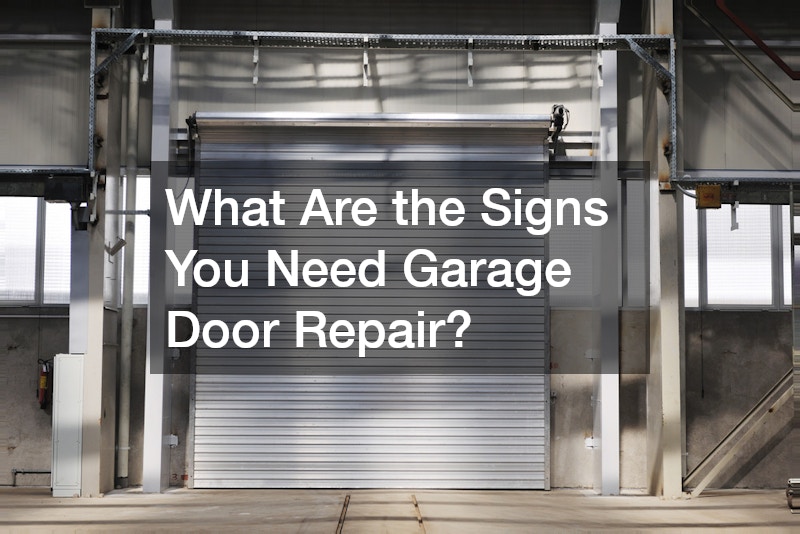
For many homeowners, the garage door serves as the primary entrance to the house, making it one of the most frequently used mechanical systems in a residential property. Because of this heavy daily usage, the various components of the door—from the heavy-duty torsion springs to the delicate photo-eye sensors—undergo significant stress and strain over time. While modern garage doors are designed to be durable and reliable, they are not immune to the inevitable wear and tear that comes with constant operation. Understanding the overall health of this massive moving wall is crucial, not just for convenience, but for the safety and security of your household. Recognizing the early warning signs of impending failure can save you from unexpected breakdowns, costly emergency replacements, and potentially dangerous accidents.
One of the most immediate and noticeable indicators that your system requires attention is the sudden onset of unusual noises during operation. A well-maintained garage door should glide along its tracks relatively quietly, emitting only a low, consistent hum from the electric motor. If you begin to hear loud grinding, aggressive squeaking, excessive rattling, or sudden banging sounds, these are clear auditory red flags. Grinding noises often suggest that the metal rollers have worn out or that the track itself lacks proper lubrication. Squeaking usually points to dry hinges or bearings that desperately need maintenance. Meanwhile, rattling could indicate that the vibrations of daily use have loosened the nuts, bolts, and other essential hardware that hold the entire structure together. Banging sounds are perhaps the most alarming, as they frequently signal a failing torsion spring, which is under immense tension and can be incredibly dangerous if it snaps entirely.
Another critical sign to watch for is a slow or delayed response time when you press the button on your wall switch or remote control. Under normal circumstances, the door should begin to move almost instantaneously after receiving the signal. If you find yourself pressing the button and waiting several seconds before the motor engages, or if the door moves sluggishly once it finally does start, the system is struggling. This sluggishness could stem from a variety of underlying issues, including a failing logic board within the opener unit, deteriorating wiring, or an aging motor that simply no longer has the power required to lift the heavy door efficiently.
Visually inspecting the physical alignment of the door can also reveal hidden problems. Your garage door should sit perfectly level when it is closed and remain evenly balanced when you pause it halfway through its cycle. If you notice that one side of the door appears to be sagging or hanging noticeably lower than the other, the balance of the system has been compromised. This unevenness is almost always caused by uneven wear on the extension or torsion springs. When a door is unbalanced, it forces the automatic opener to work significantly harder to lift the disproportionate weight, which will rapidly accelerate the degradation of the motor and potentially lead to a complete system failure.
Furthermore, if your door outright refuses to open or close completely, you are facing a severe issue that demands immediate intervention. A door that stops halfway down and reverses course is often suffering from misaligned or dirty photo-eye safety sensors. These sensors are designed to prevent the door from crushing objects in its path, but when they malfunction, they render the door inoperable. Conversely, a door that refuses to open all the way might be hindered by damaged rollers, a bent track, or incorrect limit settings on the opener. Leaving a door partially open compromises the security of your home, inviting unwanted pests and potential intruders.
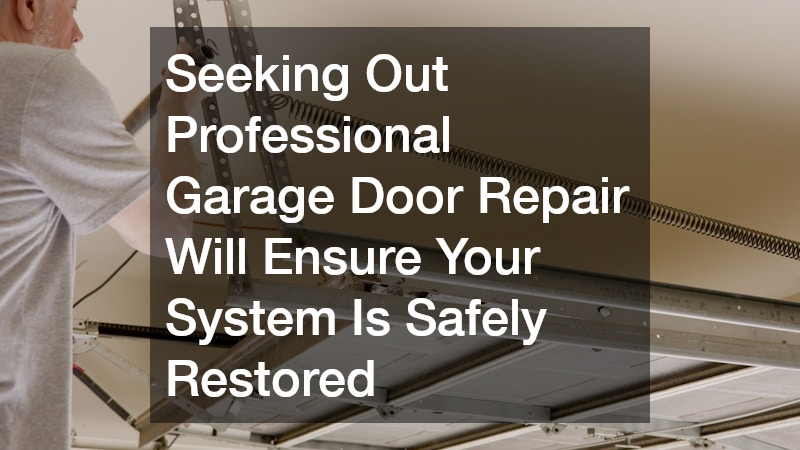
Finally, a sudden and unexplained increase in your monthly heating and cooling bills can be a subtle but telling symptom. If your garage is attached to your home, a compromised garage door can become a massive source of energy loss. Worn bottom seals, degraded weather stripping around the edges, or damaged insulation panels allow drafts to pour into the space. This forces your home’s central climate control system to work overtime to maintain a comfortable temperature in the adjacent living areas. Taking care of these structural issues early on is essential. Whenever you encounter these compounding mechanical failures or structural weaknesses, seeking out professional garage door repair will ensure your system is safely restored to optimal working condition, protecting both your property and your peace of mind
Video Source